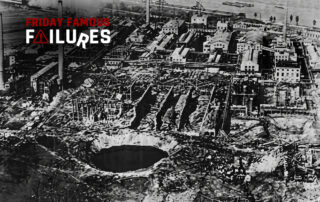
The Oppau Fertilizer Plant Explosion: When a “Stable” Product Became an Explosive Hazard
Explore the engineering failures behind the Oppau fertilizer plant explosion and the process-safety lessons involving ammonium nitrate and management of change.
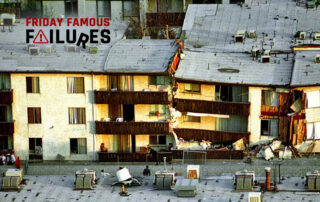
The Northridge Meadows Apartment Collapse: When the First Story Became the Failure Plane
Explore the engineering failures behind the Northridge Meadows apartment collapse and the seismic lessons involving soft-story buildings and load paths.
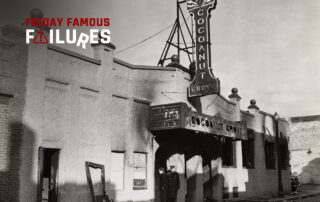
The Cocoanut Grove Fire: When Egress Became the Disaster
The Cocoanut Grove fire remains one of the most important fire and life-safety disasters in American history because it revealed how quickly ordinary building features can become fatal under emergency conditions.
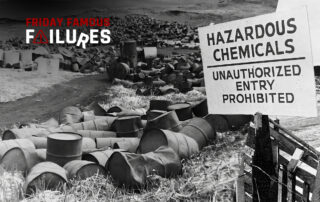
Love Canal: When a Buried Chemical Landfill Became a Neighborhood Disaster
Love Canal remains one of the most important environmental engineering disasters in American history because it showed that hazardous waste does not disappear when it is buried.
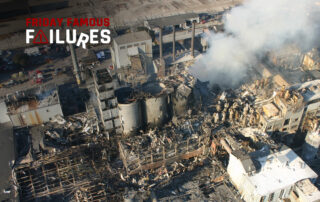
The Imperial Sugar Refinery Explosions: When Combustible Dust Became a Catastrophic Fuel
The 2008 Imperial Sugar refinery explosions demonstrated how combustible sugar dust can turn a common food product into a deadly industrial hazard. This case study examines the causes of the disaster and the engineering lessons that continue to shape dust explosion prevention and process safety.

The Mars Climate Orbiter Failure: When a Unit Conversion Destroyed a Spacecraft
NASA’s Mars Climate Orbiter was lost during Mars orbit insertion after a unit-conversion mismatch between ground software systems caused navigation errors. The failure remains one of engineering’s most important lessons in interface verification, systems communication, and unit consistency.
 1431 Graham Drive, Suite 265
 support@noonpi.com