
How Drones Are Transforming Engineering Projects
Learn how drones in engineering projects improve surveying, construction monitoring, infrastructure inspections, safety, mapping, and data collection.

10 Engineering Habits That Improve Productivity
Improving productivity doesn’t require longer workdays or sacrificing personal time. By developing better habits—prioritizing important tasks, reducing distractions, standardizing repetitive work, embracing automation, and protecting personal well-being—engineers can accomplish more while maintaining the quality and precision their profession demands.

The Engineering Challenge of Living Architecture
A vertical forest is therefore not simply a greener high-rise. It is a building that depends on the successful coordination of natural and engineered systems. The structure must carry the load.

Could Rough Be the New Smooth?
Smoother surfaces usually mean less resistance—but not always. A recent Tohoku University study found that microscopic distributed roughness reduced measured drag on a streamlined wind-tunnel model under specific transitional-flow conditions, offering engineers a fascinating reminder that even reliable design rules can have carefully engineered exceptions.

Famous Engineers: Fazlur Rahman Khan
Fazlur Rahman Khan changed the way engineers design tall buildings. Known for pioneering tube structural systems, Khan helped make modern skyscrapers more efficient, economical, and structurally practical, leaving a lasting legacy in civil and structural engineering.
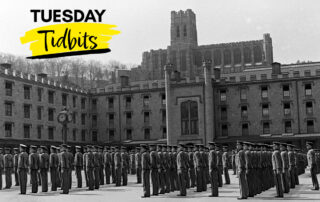
How the U.S. Finally Recognized Engineering as an Academic Discipline
Engineering shaped the early United States long before universities recognized it as an academic discipline. This article explores how practical problem-solving evolved into formal education, and how the Morrill Act and growing infrastructure demands finally pushed institutions to legitimize engineering.
 1431 Graham Drive, Suite 265
 support@noonpi.com